

Eric Sepanek
SBC Founder
Eric Sepanek is the founder of Scottsdale Bullion & Coin, established in 2011. With extensive experience in the precious metals industry, he is dedicated to educating Americans on the wealth preservation power of gold and silver.

Joe Elkjer
Sr. Precious Metals Advisor
Joe Elkjer, a Precious Metals Advisor at Scottsdale Bullion & Coin since 2019, specializes in helping clients protect their assets through tangible investments. With a strong background in business and finance, he emphasizes stellar customer service and stays dedicated to informing clients about market impacts through frequent appearances on The Gold Spot.

Add SBC on Google as a preferred source to see more market related news like this when you search.


Over the past few months, tepid gold prices have led many investors to anticipate a prolonged slump or even an impending correction. Yet, out-of-sight demand and institutional projections suggest this sideways movement may be the calm before a lightning-fast spike.
Watch this week’s The Gold Spot to hear Scottsdale Bullion & Coin Founder Eric Sepanek and Precious Metals Advisor Joe Elkjer discuss why gold prices have been stagnant, what key pillar of market strength remains robust, and how investors can best position their portfolios for what’s to come.
Why Gold Prices Have Stalled
Following a rapid spike to all-time highs in January, gold prices have been moving sideways, showing no clear trend in either direction. This dampened price action follows years of steady upward momentum, taking gold prices from around $2,064/oz in January 2024 to a peak above $5,608/oz in January 2026. That’s more than a 172% jump in just two years.
With gold tightly range-bound following a multi-year rally, investors have begun questioning the yellow metal’s near-term trajectory. The key is to contextualize gold’s performance within broader macroeconomic and geopolitical conditions. Right now, the metal faces an onslaught of pressure, such as:
Higher Yields: The Federal Reserve has balked at cutting rates, given persistent economic uncertainty. The relatively elevated interest rates keep interest-bearing assets attractive compared to non-yielding assets, such as gold.
Dollar Strength: The U.S. dollar remains below short-term highs but has displayed bouts of renewed strength amid the fallout from the Iran War. The resulting global oil shortage has propped up the USD due to its central role in the petrodollar system.
Shifting Geopolitics: Geopolitical instability has historically supported gold prices, but temporary ceasefires, shifting tensions in the Middle East, and uncertainty surrounding U.S.-China relations have created a more mixed environment for safe-haven demand, contributing to cautious investor positioning.
Fed Policy Uncertainty: The Fed’s wait-and-see posture extends far beyond present interest rate expectations. With Chairman Jerome Powell on the way out and President Trump-nominee Kevin Warsh taking the helm, the economy remains unsure how the Fed will enact policy, forcing investors into inaction.
Big Swings Often Follow Boring Periods
For the past few years, the gold market has experienced some of its most exciting periods in recent memory. That’s why the rapid stall in price movement has led many investors to tune out altogether. However, gold has completed some of its largest gains following prolonged price droughts.
Often, gold enters a sideways holding pattern on the back of rapid growth, shaking out short-term or speculative buying before the upward curve continues. This is a common sign of any healthy market, as long-term buyers eventually take control of the price action.
“The boring phase tends to shake out impatient money before the next leg up begins.”
Joe Elkjer
Sr. Precious Metals Advisor
Official Demand Tells the Real Story
People often mistakenly look only to short-term price movement to gauge the gold market’s health, when the real drivers of momentum are at play behind the scenes. Central bank buying — one of the most influential variables — has remained robust for nearly half a decade now.

Between 2020 and 2021, official consumption reached 705 tonnes. Government appetite grew dramatically between 2022 and 2024, with central banks purchasing over 1,000 tonnes in each of the three consecutive years. In 2025, buying remained elevated at 863.3 tonnes. In fact, global demand reached a record high of 5,000 tonnes in 2025.
Recently, Goldman Sachs reported an initial underestimate of physical gold bullion demand by a staggering 70%, now estimating emerging market central banks alone to buy 60 tonnes per month. Similarly, the World Gold Council predicts official accumulation will hit 850 tonnes by the end of 2026.
“That’s not momentum trading. That’s strategic accumulation. These are not short-term traders watching a price chart. These are institutions positioning for what they believe is coming.”
Joe Elkjer
Sr. Precious Metals Advisor
The Reversal Shock of Dollar Dumping
Meanwhile, countries around the world are actively distancing their economies from the USD amid a global de-dollarization trend. China is a ringleader in this dual-strategy stockpiling gold and offloading the greenback. As a total share of Beijing’s total foreign reserves, physical gold has risen from around 3% to 9% in under four years.

Investors don’t have to rely on official demand statistics alone to determine gold’s future. Mainstream financial institutions, which have a reputation as gold skeptics, maintain bullish gold price predictions for 2026 and beyond.
- Goldman Sachs — $5,400/oz
- UBS — $5,600/oz
- Citi —$6,000/oz
- JP Morgan — $6,300/oz
“These are not fringe calls. These are some of the biggest names in finance still forecasting substantially higher gold prices.”
Eric Sepanek
SBC Founder
Gold Loading Up for Something Much Bigger?
Although gold prices appear to reflect a sleepy market, on-the-ground conditions reveal a much more active landscape. The metal is barreling toward a constrained position wherein supply is limited, official and institutional demand increases, and price projections remain elevated. Within these parameters, gold’s sideways movement reads more like consolidation before a major correction to the upside.
Citi analysts recently noted that the gold market may simply be too small to accommodate the massive influx of central bank investors, placing extreme pressure on already limited supply. This is a recipe for a sharp and rapid growth in gold prices. As is normally the case, these spikes don’t give any warnings beforehand, highlighting the importance of getting yourself in the right position now.
Don’t Wait to Buy Gold, Buy Gold & Wait
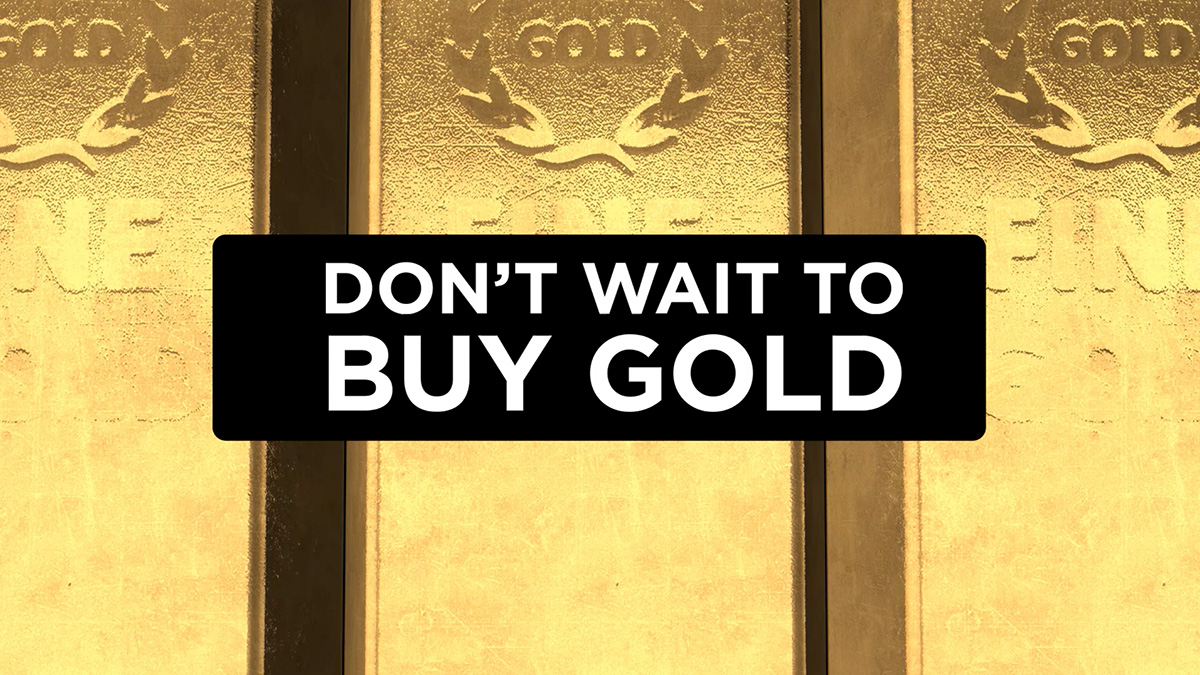
Chart analysis, demand trends, and macroeconomic background can provide an accurate assessment of gold’s likely future price movement, but they cannot predict precisely when that uptrend kicks off. The adage about buying gold and waiting, rather than waiting to buy gold, rings true as the market enters a cool-off period, even as price forecasts remain optimistic.
Eager to further diversify your precious metals portfolio or break into the space altogether? Claim your FREE COPY of our extremely popular Rookie Mistakes Guide, which helps you avoid all the stumbling blocks most investors hit when starting. If you’d like to get hands-on, professional input, get in touch with one of our highly knowledgeable and experienced Precious Metals Advisors today.
Don’t Miss Out on Silver!

Gold tends to steal the spotlight, but the silver market offers some exciting opportunities and equally bullish silver price forecasts for 2026. Check out our all-new report, Silver: The Awoken Giant, to get the lowdown on how you can best position yourself for success in this rapidly evolving market.
Question or Comments?
If you have any questions about today’s topics or want to see us discuss something specific in a future The Gold Spot episode, please add them here.
Comment
Questions or Comments?
"*" indicates required fields